The Ultimate Guide to Online Therapy: Boost Your Mental Health with Virtual Support
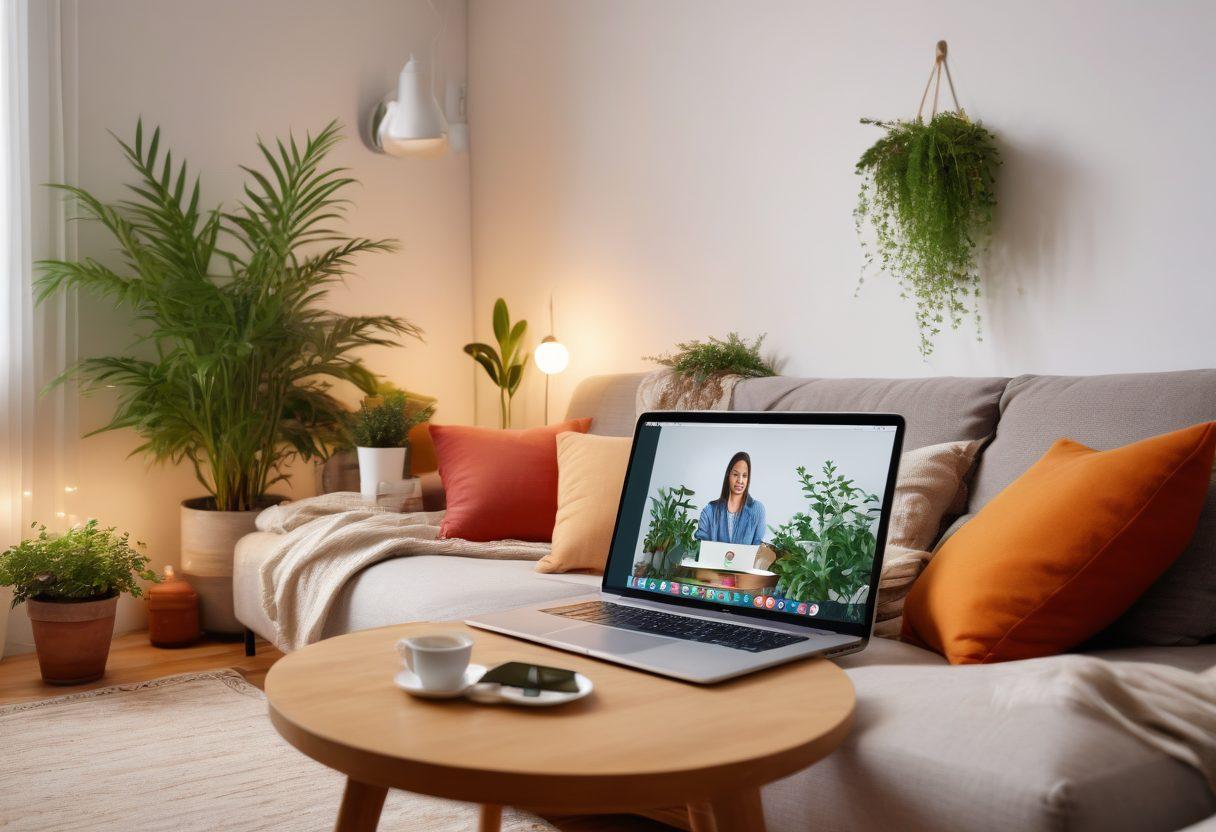
The rise of online therapy is changing the landscape of mental health care in remarkable ways. Imagine a time when seeking professional therapy meant sitting in a waiting room for hours, only to get a brief dialogue with your therapist. Now, fast forward to today, where you can access top-tier psychological services from the comfort of your own home. Online therapy is not just a fleeting trend; it’s a revolutionary shift that is making mental health care more accessible, affordable, and stigma-free. How has this form of therapy redefined mental wellness, and what does it mean for the future of psychological treatment?
Online therapy, also known as teletherapy or virtual therapy, bridges the gap between mental health support and accessibility. For many, traditional therapy was fraught with obstacles - the commute, scheduling conflicts, and the fear of social judgments. But with online therapy, these barriers virtually vanish. As one user shares, 'Having therapy sessions online feels like talking to a friend over coffee. There's no pressure, no hesitation.' This profound change underscores how essential accessibility is in nurturing mental resilience and encouraging consistent mental care.
The impact of online therapy on psychological services cannot be overstated. Whether you're seeking cognitive behavioral therapy, depression therapy, or anxiety therapy, finding a therapist who understands your needs has never been easier. With a few clicks, you can connect with licensed professionals specializing in various areas, from stress management to cognitive health. This convenience is transforming mental treatment by providing timely intervention and long-term support. As Dr. Smith, a renowned clinical psychologist, points out, 'The immediacy of online counseling can be a lifeline, especially in crisis situations.'
Moreover, the incorporation of advanced technology enhances the therapeutic experience. Several online therapy platforms offer supplementary tools like mindfulness exercises, self-help modules, and cognitive therapy activities, all tailored to improve your mental fitness. This holistic approach to mental well-being ensures that help is not restricted to a one-hour session but extends to everyday scenarios. Imagine practicing mindfulness techniques suggested by your therapist while commuting or participating in guided emotional health exercises before bed. It's all about integrating mental support into daily life.
Online therapy is also democratizing mental healthcare by making it more affordable. The reduced costs of virtual therapy sessions are a boon to many who previously found professional therapy financially out of reach. As mental healthcare becomes more inclusive, individuals from all walks of life are empowered to seek the psychological support they need. This shift not only fosters greater psychological wellness but it also paves the way for improved overall wellness, balancing both physical and mental health. If you've ever wondered whether mental therapy online could make a difference in your life, now is the time to explore and experience the future of therapeutic intervention. The journey to mental wellness begins with a simple click.
Top Benefits of Virtual Counseling for Your Emotional Well-being
In today's fast-paced world, it's not uncommon to feel overwhelmed, stressed, or emotionally drained. With the rise of digital technology, accessing mental health services has become more convenient than ever before. Virtual counseling has emerged as a powerful tool to support our emotional well-being. But, what makes online therapy such a game-changer in the field of psychology and mental health? Let's dive into the top benefits of virtual counseling and discover how it can transform your emotional health journey.
One of the most compelling benefits of online therapy is accessibility. Imagine having access to professional therapy from the comfort of your home, without the need to travel or take time off work. This increased accessibility is particularly beneficial for those living in remote areas where mental health services might be scarce. With just a computer or smartphone, you can connect with licensed therapists and counselors, ensuring that psychological care is never out of reach. As one client mentioned, 'Online therapy made it possible for me to get the help I needed without the barriers of time and distance.'
Another significant advantage of online counseling is the flexibility it offers. Traditional therapy sessions often require strict scheduling, potentially leading to additional stress for those balancing busy lives. Virtual therapy, however, allows you to choose the time that best suits your schedule, making it easier to prioritize your mental well-being. This flexibility can be particularly beneficial for parents, students, and working professionals who may find it challenging to attend in-person sessions. Additionally, the possibility of arranging sessions in the evening or on weekends ensures that mental health care fits seamlessly into your life.
A key component of effective therapy is the feeling of safety and comfort during sessions. For many individuals, the environment of a traditional clinical setting can be intimidating or anxiety-inducing. On the other hand, participating in therapy from a familiar environment, like your home, can help you feel more at ease, fostering a deeper connection with your therapist. This comfort level can significantly enhance the effectiveness of psychotherapy and other therapeutic interventions, promoting better outcomes for your emotional health. One client shared, 'Talking to my therapist from my living room made it easier for me to open up and be honest about my feelings.'
Lastly, online counseling offers anonymity and privacy, which can be a critical factor for those struggling with stigma related to seeking mental help. The fear of being judged or recognized can often deter individuals from reaching out for support. With virtual therapy, you can maintain a higher level of confidentiality, encouraging more people to take the courageous step toward seeking help. Whether you're dealing with stress management, depression therapy, or anxiety therapy, knowing that your privacy is protected can make all the difference. As we navigate the complexities of modern life, online counseling provides a lifeline, offering mental support and emotional resilience to anyone in need.
In conclusion, the benefits of virtual therapy extend far beyond convenience. They include increased accessibility, flexibility, comfort, and privacy, all of which contribute to improved psychological well-being. By embracing online therapy, you're taking a proactive step towards better mental health and wellness. So, why wait? Explore the world of online counseling and let virtual support guide you on your journey to emotional health and mental resilience. The future of mental healthcare is here, and it’s just a click away.
A Comprehensive Look at the Various Types of Online Psychological Services
In recent years, the world has witnessed a tremendous shift in the landscape of mental health care. As digital technology advances, so does the accessibility to various forms of psychological services. But what exactly does online therapy entail, and how can it benefit one's mental well-being? Let's dive deep into the different types of online psychological support available and discover how they cater to diverse needs.
When people think about therapy, images of an individual lying on a couch in a serene room often come to mind. However, online therapy, also known as teletherapy or virtual therapy, shatters this stereotype, providing flexibility and ease. One popular form is Cognitive Behavioral Therapy (CBT), which focuses on altering negative thought patterns and behaviors. Accessible through video calls, chat, or even apps, CBT has proven effective in treating both anxiety and depression. As Dr. John Grohol puts it, 'Online therapy isn’t just effective; it’s the next wave of therapeutic intervention.'
Beyond CBT, there is a myriad of other psychological services. For instance, mindfulness and emotional health counseling are pivotal for those battling stress and seeking inner peace. Techniques such as meditation and breathing exercises, guided by professionals online, aid in fostering mental resilience and enhancing overall well-being. Just imagine - from the comfort of your own home, you can connect with a specialist, embark on a journey of self-discovery, and cultivate a healthier state of mind.
For those dealing with more serious conditions such as PTSD, bipolar disorder, or major depressive disorder, online psychotherapy and psychiatric care come to the rescue. These services often combine therapeutic conversations with psychiatric evaluations, ensuring a holistic approach to mental disorder treatment. And with the current technology, even medication management can be conducted safely online. This seamless integration of mental therapy online with clinical psychology is transforming the way we perceive and receive mental healthcare.
Moreover, online counseling offers dynamic support through group therapy sessions. These communities provide a platform to share experiences and struggles with others who are on similar journeys. It's an excellent way to build a support system, reduce feelings of isolation, and gain different perspectives on personal challenges. As the saying goes, 'Shared joy is double joy; shared sorrow is half sorrow.' In the realm of behavioral health and psychological well-being, these connections can be life-changing.
In conclusion, the realm of online psychological services is vast and multifaceted. From cognitive therapy for everyday challenges to comprehensive psychiatric care for severe mental disorders, the options are plentiful and tailored to meet various needs. Whether seeking professional therapy for stress management or looking for guidance in emotional therapy, online platforms are breaking barriers, making psychological support more accessible and effective than ever before. So, why not explore the world of online therapy and take your first step toward better mental health today?